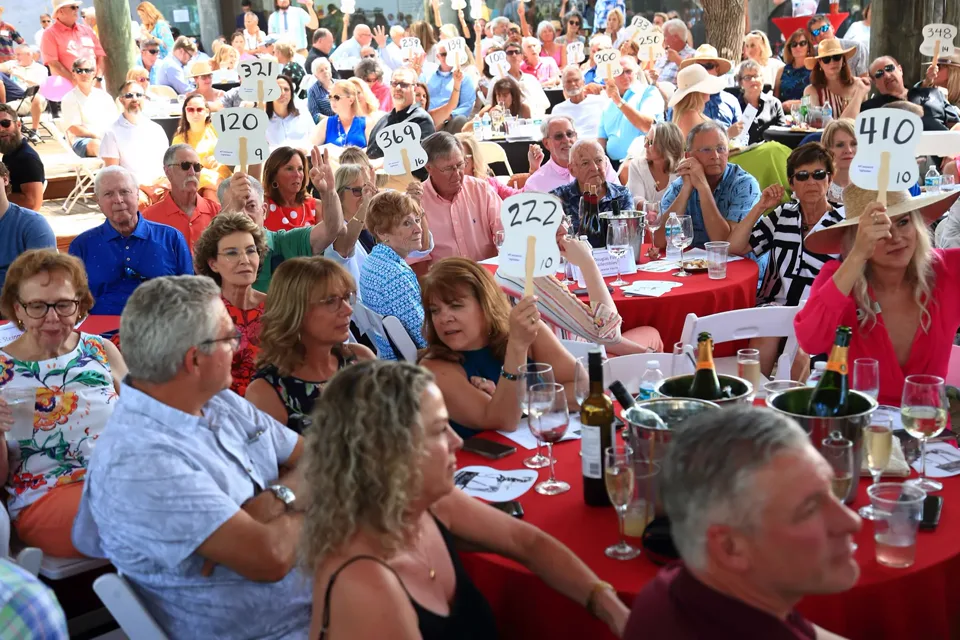
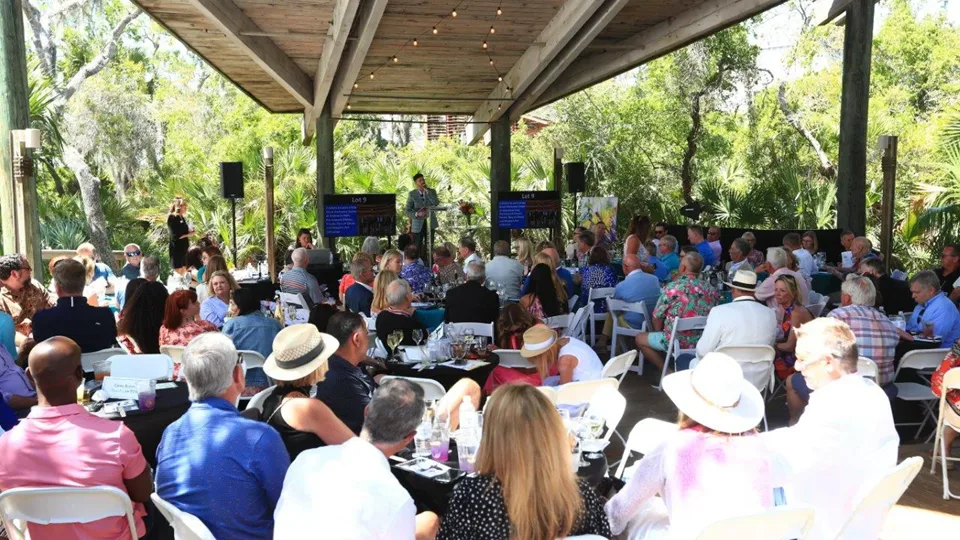
Hiring a charity auctioneer starts with the help your event needs. A long-running gala may have experienced staff, a trusted emcee, and a familiar program. A first fundraiser may need help choosing lots and putting the auction portion together. Both deserve a thoughtful conversation.
A useful question is: who will help our guests understand the opportunity, participate comfortably, and support the cause? The answer involves preparation and teamwork as well as a confident voice on stage.
- Start with
- Your cause, audience, and existing team
- Compare
- The same written scope of support
- Confirm
- Your assigned auctioneer and backup plan
Decide where professional help will make a difference
Tell prospective auctioneers what your team already does well. Explain the event’s purpose, audience, format, and fundraising priorities. Share last year’s program and results if available, distinguishing collected revenue from outstanding pledges. For a new event, an honest outline is enough.
The National Auction Association describes benefit auction work as including preparation, audience understanding, and event delivery. Ask which of those responsibilities are actually included in your proposal. A stage appearance and a planning engagement involve different work.
- Auction day support: prepare with your point person and lead the agreed live auction and appeal.
- Planning and auction day: refine lots, descriptions, sale order, opening bids, and program timing together.
- Support from start to finish: organize the auction portion from early decisions through delivery and the results handoff.
Assess the person who will lead your room
Confirm the name of your assigned auctioneer before booking. Ask to see real event footage and speak with an organizer whose audience or format resembles yours. Listen for clear descriptions, understandable bidding, considerate humor, and a natural connection to the mission. A short promotional montage cannot show the whole working relationship.
Ask about benefit-specific experience and relevant education, including the NAA’s Benefit Auction Specialist designation where applicable. Training is one useful question; references, preparation, and suitability for your event also matter. Confirm how illness, travel disruption, or a substitution would be handled and who approves a replacement.
Protect the strengths of your existing team
A good collaboration begins with listening. Your staff know the donors, traditions, pronunciations, and sensitivities. The auctioneer brings experience presenting lots, recognizing bids, adjusting the pace, and leading an agreed giving appeal. Establish one organizer contact and a clear route for approvals.
If you already have an emcee, planner, production crew, or fundraising consultant, discuss the handoffs together. Who introduces the mission speaker? Who cues the slides? Who can change the program? The NAA’s consultant-partnership education emphasizes defined responsibilities; a short written role list puts that principle into practice.
Compare fees against a clear scope
Request an itemized written proposal or an explicit list of what the quoted fee covers. A lower quote may include fewer planning meetings, a shorter appearance, or no bid assistants. A larger package may contain work your experienced team already handles. Choose the support that solves your event’s needs.
Professional value comes from the agreed work: making lots understandable, coordinating the program, managing participation, and producing a reliable handoff. Ask how those services will be delivered. Treat promised fundraising increases cautiously; attendance, items, donor interest, costs, and collections all affect the outcome.
| Area | What to confirm |
|---|---|
| Preparation | Meetings, lot review, descriptions, sale order, appeal preparation, and rehearsal. |
| Event delivery | Assigned auctioneer, stage time, emcee duties, bid assistants, and recording roles. |
| Additional charges | Travel, accommodation, overtime, production, software, and changes in scope. |
| Booking and closeout | Payment schedule, cancellation, backup arrangements, and results handoff. |
Choose an approach your supporters will welcome
Discuss how guests will be invited to bid or give without embarrassment. Ask how the auctioneer handles a quiet room, a misunderstood bid, or someone who wishes to give privately. Agree on accurate mission language and avoid implying that everyone can afford the same contribution.
AFP’s Donor Bill of Rights supports informed giving and professional relationships. Your event should make the purpose of a contribution clear and leave each guest free to choose whether and how to participate.
Put it into practice
Bring these details to your first conversation
Share what you know. You do not need a completed catalog or a final event plan.
- Organization, cause, date or date range, location, and approximate audience.
- Fundraising priorities, budget range, and any previous event program.
- Your existing staff, volunteers, emcee, planner, and production partners.
- Rough live-lot count and whether a direct giving appeal is planned.
- The responsibilities you want help with and decisions still open.
A straightforward path from inquiry to agreement
Use the conversation to find the right working arrangement.
Describe your event
Explain the cause, audience, and what your team already has covered.
Review fit and support
Discuss experience, event style, preparation needs, and availability.
Confirm the written scope
Agree on the assigned auctioneer, deliverables, fees, responsibilities, and backup arrangements.
Set the first handoff
Name a point person and schedule the next lot review or program conversation.
Questions to resolve before event day
- Who has final approval over descriptions, the appeal, and changes to the program?
- Who records winning bids and pledges, and who reconciles payment afterward?
Common questions
Can a small organization hire a benefit auctioneer?
Yes. Start with your event needs and budget, whatever the organization’s size. Discuss a suitable scope and the full cost before committing. An initial conversation does not require a large gala or a finished plan.
Can we keep our current emcee and event committee?
Yes. Explain their roles early so the auctioneer can prepare around them. Agree on introductions, cues, and decision-making together.
Can we hire help only for auction day?
Yes, when the scope fits. Even auction day support needs an advance handoff of confirmed lots, timing, audience context, and recording responsibilities.
Further reading
These professional resources provide context for the planning recommendations above.
- National Auction Association: Why Hire an Auction Professional?
The benefit auction professional’s role in preparation, audience engagement, and fundraising delivery.
- National Auction Association: Benefit Auction Specialist education
Specialist education covering consultation, appeals, revenue streams, and event planning.
- National Auction Association: Partnering with Fundraising Event Consultants
Professional education on clear responsibilities and productive partnerships with event teams.
- Association of Fundraising Professionals: Donor Bill of Rights
Principles of informed giving, donor intent, privacy, and professional relationships.