Practical answers for buyers, sellers, and professionals

Auction Guides, Seller Resources & Property Research

Choose the question closest to your next decision. Every detailed guide keeps assumptions visible, links to supporting references, and points you back to the live catalog or transaction record that controls.

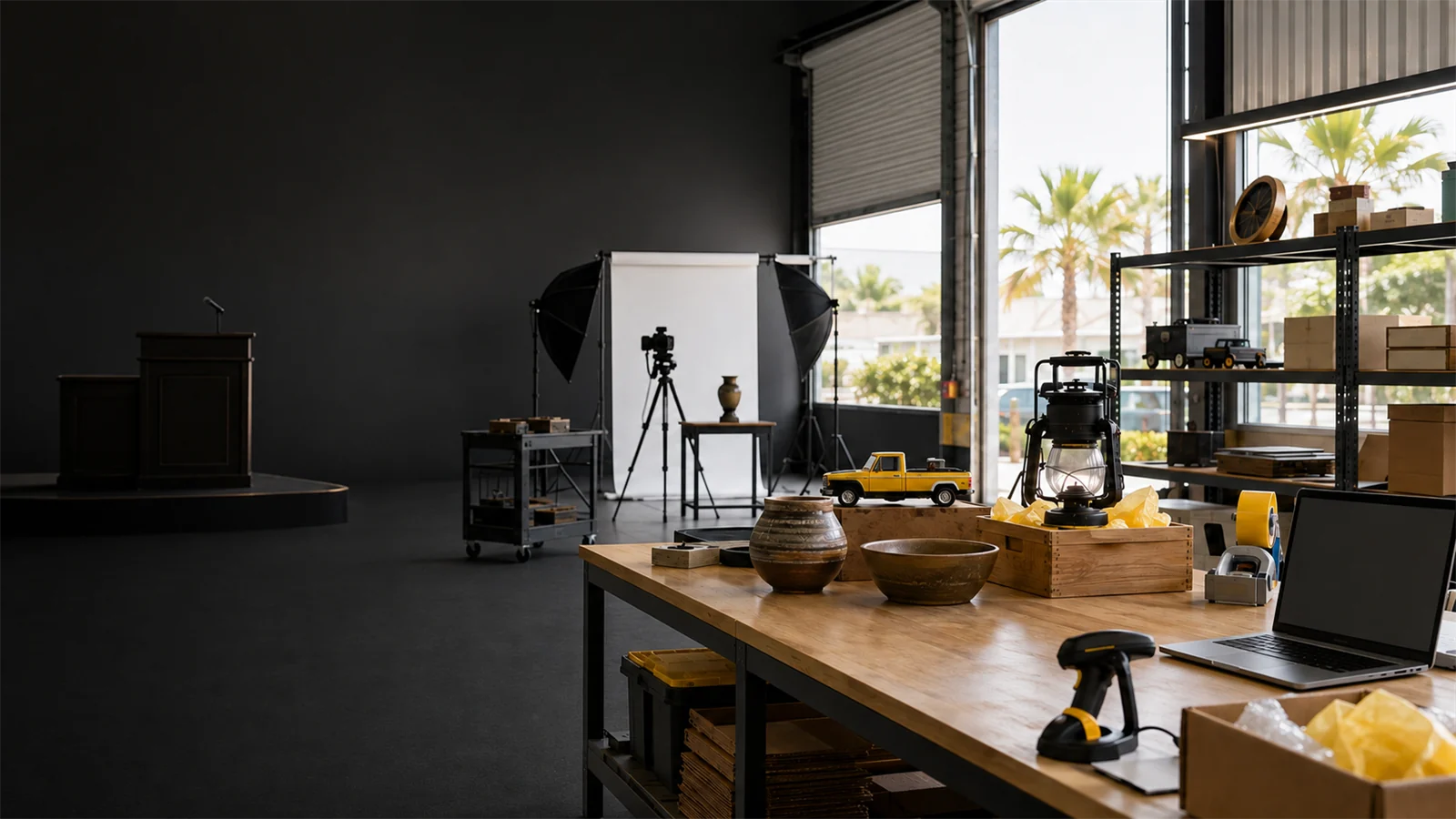
Illustrative scene. It represents a general auction-company review using varied property photographs; it is not an appraisal, accepted consignment, credential verification, endorsement, or promised result.

Detailed Resource Library

Answer a real auction question

Review the explanation, use the copyable checklist or decision flow, then verify the current event, lot, invoice, or fulfillment facts before acting.

Seller Verification and Auction Decisions

Verify the company and transaction path, compare the real work and price-discovery tradeoffs, then prepare useful evidence for a collection-fit review.

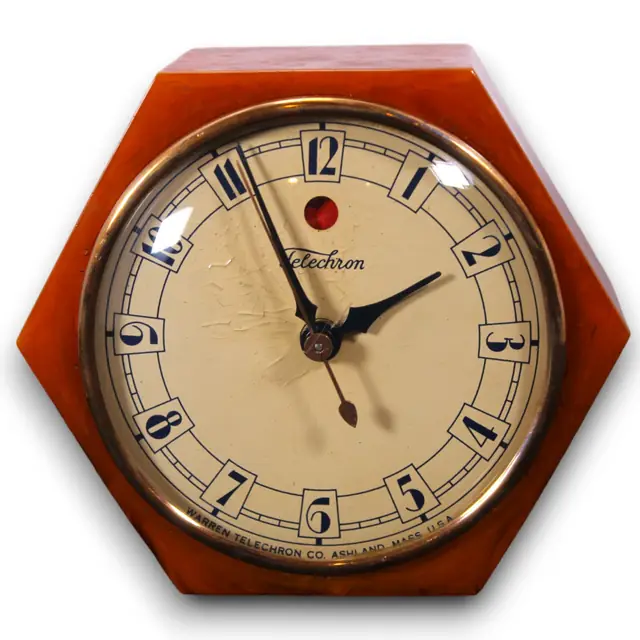
Brown Telechron clock with a cream dial from a Bidding Is Open catalogFrom our auction catalog photography

Seller education · 10 min read

Estate sale, dealer, or auction?

Five ways to sell a collection, an estate, or business assets, compared on speed, price, work, and records. Includes when each one fits and when to combine them.

Read the guide →

Bidding Strategy, Mechanics and Total Cost

Choose when to place your maximum, understand the clock and automatic bids, and plan the complete cost.

Category Research and Item Evidence

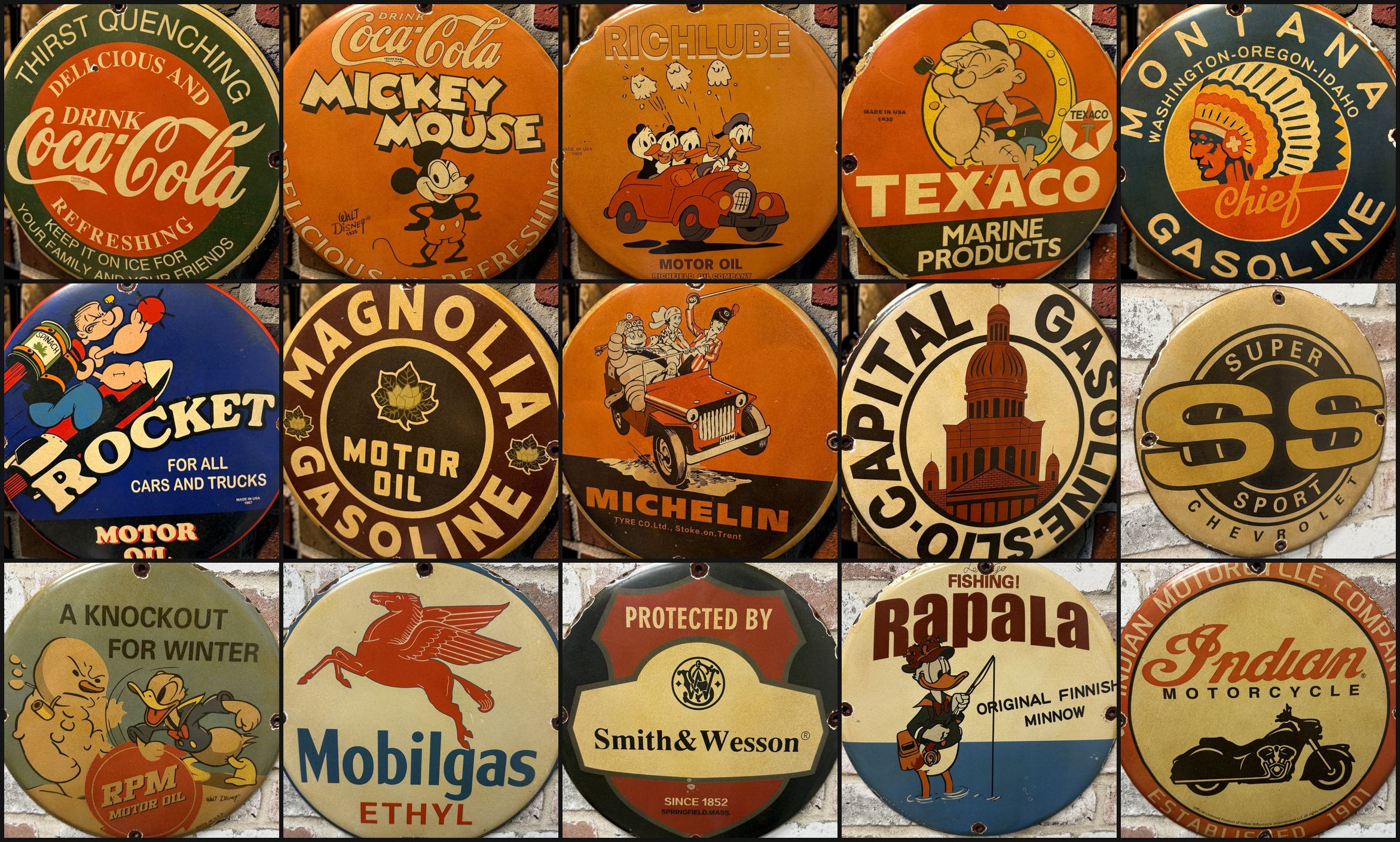
Recent sign and neon examples show how photographs, condition, construction, history, rarity, and value evidence should be evaluated. The same evidence-first method applies across varied auction property.

Shipping, Pickup, and the Post-Win Handoff

Plan the physical handoff before bidding, from invoice review through parcel, crate, freight, or Ocoee pickup.

Auction event library

Every catalog should leave a useful record

Permanent event pages join verified auction details and direct catalog paths with product history, maker research, rarity method, material cautions, and value education.

Recent clocks, advertising signs, and every other completed category belong in their dated event records. Those pages preserve real experience and useful research without turning one run of inventory into the company’s permanent identity.

More from the newsroom

Industry context and field notes

Dated field notes connect auction practice to useful buying, selling, and operational context.

The practical rule

The live catalog always comes first

Guides provide general education. Each auction’s current catalog contains the lot details, schedule, disclosures, and terms that control that event.