Collection Value And Context
Start with large collection auctions or estate and collector consignments.

Choose By Situation
The clearest route is the one built around the current owner, buyer, fiduciary, business, or deadline.
Start with large collection auctions or estate and collector consignments.
Start with business liquidation services and bring the real site-control deadline.
Start with overstock and inventory reduction, including counts, condition, restrictions, and loading access.
Use the Central Florida service-area hub to compare the Ocoee, West Orange County, Greater Orlando, and extended-area review paths.
Start with managed auction services and bring one recent sale plus the stage that is slow, inconsistent, or hard to supervise.
Auction Services
Each page explains likely fit, the information to gather, the working process, common trouble spots, and the next step.
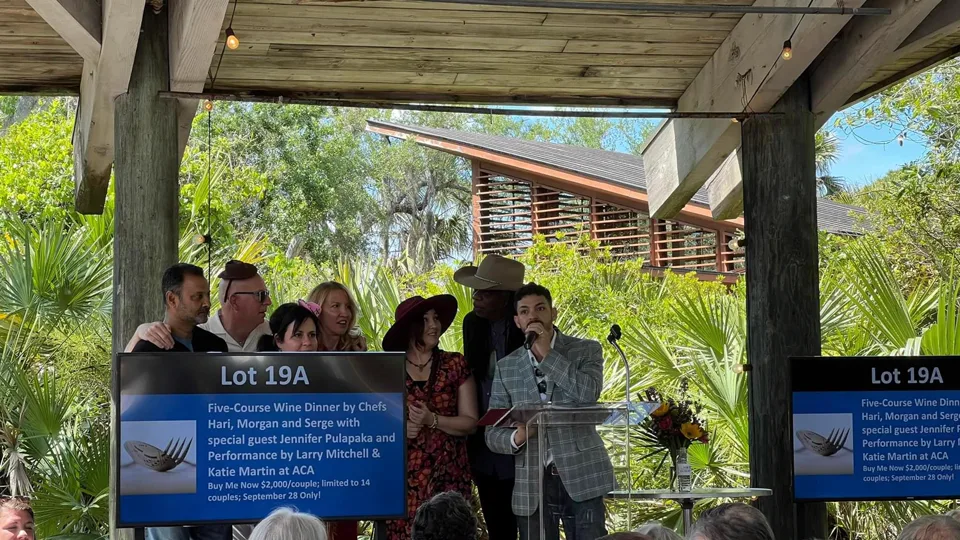
A mission-centered plan for the live auction, paddle raise, silent auction, event-day roles, and optional online participation.
A structured sale plan for a substantial group of related property, from first review through buyer fulfillment and seller settlement.

A defined auction path for inventory, equipment, fixtures, and other authorized business assets when time, access, and accountability matter.

Compare the responsible paths for excess inventory, then test auction fit against demand, condition, records, restrictions, location, logistics, carrying cost, and deadline.

A careful, documented auction path for estate property and focused collections when authority, family decisions, records, and timing matter.

A practical review of where an auction operation loses time, followed by a scoped implementation with human approval gates and a supervised first run.
A managed auction path for machine shops, fabrication facilities, tooling, inspection equipment, and support assets.

A practical sale plan for commercial kitchens, dining rooms, bars, fixtures, smallwares, and support equipment.

A controlled auction plan for palletized stock, retail overstock, returns, fixtures, racking, and mixed commercial inventory.

A documented auction path for machines, trucks, trailers, attachments, tools, and contractor support assets.

A respectful documented plan for tractors, implements, vehicles, tools, parts, and farm support assets.

A collection-focused auction path for porcelain signs, neon, advertising clocks, petroliana, automobilia, and related display pieces.

A remote-friendly, record-first path for authorized fiduciaries managing Florida personal property and a local home deadline.

Services · Sellers, estates, businesses, nonprofit event teams, and auction operators
Collections, estate property, inventory, business assets, benefit events, and auction operations each create different decisions. Start with the service that best matches the situation, then request a fit review or event consultation.
A useful auction plan starts with the real constraint. A collector may need thoughtful lot strategy. An estate may need authority and careful exclusions. A business may need a site cleared by a hard date. A nonprofit event team may need coordinated live lots, a paddle raise, guest instructions, and an event-night run of show.
Bidding Is Open reviews each property or benefit-event engagement for fit, documentation, location, logistics, timing, workload, and the responsibilities that belong in writing. The first conversation is a review—not an acceptance, certified valuation, result guarantee, account authorization, authorization to sell, or confirmed event date.
A simple sequence
The early steps protect time and property by resolving fit, authority, expectations, and logistics before catalog production.
Explain the property or event, location, authority, audience, records, goals, constraints, and timeline.
We evaluate likely fit, workload, logistics, bidder or guest needs, and the decisions that must come first.
If the engagement fits, scope, responsibilities, fees, timing, technology, and handoffs are put in writing.
The accepted property-sale or benefit-event work proceeds through the responsibilities defined for that engagement.
A useful first conversation
Include the property type, approximate volume, representative photographs, location, authority, known records, exclusions, access, and preferred timing.
Auction Alerts
Enter your email for occasional new-catalog alerts and useful bidder guidance. This does not register you to bid on HiBid.