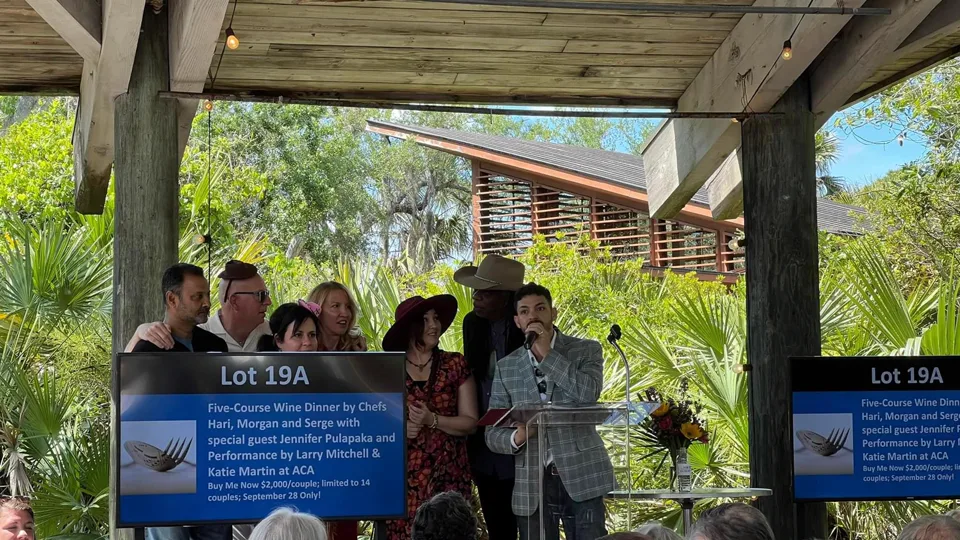
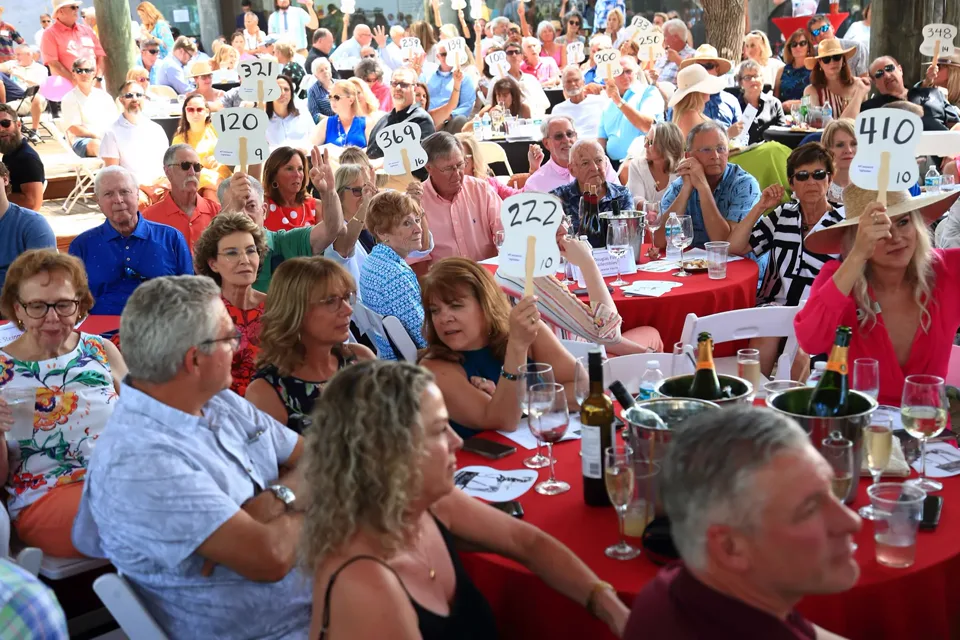
The sale order is the sequence in which lots are offered. The run of show is the wider event plan: introductions, speakers, meal service, auction, giving appeal, entertainment, and closing. They need to work together so guests can follow the fundraising and the team knows what happens next.
There is no single best sequence for every gala or community fundraiser. Start with the room, the audience, and the program your staff already know. Then make deliberate decisions about where the auction belongs.
- Sale order
- The sequence of auction lots
- Run of show
- The program, cues, and responsible people
- Plan around
- Your audience and actual event constraints
Confirm the details before deciding the order
Create one approved record for each lot. Include a useful title, what the buyer receives, quantity or guest count, dates, expiration, restrictions, availability, and the person responsible for fulfillment. Make exclusions clear. A weekend stay with blackout dates needs a more specific description than simply a weekend getaway.
Match the catalog, screen, and auctioneer’s notes to that record. Use an accurate photograph and verify the donor’s name and preferred acknowledgment. Confirm permission before splitting a package, offering a second copy, or changing its terms. Resolve missing information before asking someone to bid.
Build a lineup for the people in the room
Review your audience’s interests, the range of likely purchase amounts, previous results, and the distinct appeal of each lot. AFP’s item-planning guidance encourages attention to audience fit and variety. A focused selection of well-understood lots can be more manageable than a long list that leaves little time for each opportunity.
Discuss the opening lot, the placement of major experiences, and whether similar items should be separated. Consider presentation needs: a guest demonstration or live performance may require a particular transition. Do not assume the most valuable lot must always go last, or that the giving appeal must follow every auction lot.
Approve a working order together and identify who can authorize a change during the event. Keep the auctioneer, slides, recorder, and item display on the same version.
Agree on opening bids and room to adapt
An opening bid starts the bidding conversation. An increment is the next increase requested. Discuss both with the auctioneer in advance, using the lot’s appeal, restrictions, audience, and the organization’s requirements. Avoid treating one percentage of retail value as the correct opening for every item.
Clarify any minimum acceptable sale price and how it will be communicated. Agree on what happens if a lot receives no bid. Allow the auctioneer to adjust the pace and requested increments within the approved approach, while making the current bid and next asking amount understandable. Every recognized bid must come from a real bidder.
Write a run of show with clear cues and owners
Start with the fixed commitments: venue access, meals, speakers, performers, transport, and the actual finish time. Build transitions and rehearsal into the plan. Avoid placing an important mission story where guests cannot hear it or an auction segment where the room cannot see the stage.
For each segment, name the person speaking, the cue that starts it, the required slide or audio, and who signals a change. Your existing emcee and event planner can retain their roles. The NAA’s partnership guidance reinforces the value of defining responsibilities before the event.
| Block | Preparation and handoff |
|---|---|
| Welcome and instructions | Emcee explains how bidding and giving work; guests can find their bidder numbers. |
| Live auction | Auctioneer, slides, bid spotters, and recorder follow the same approved lot order. |
| Mission story and appeal | Approved speaker and auctioneer share a clear transition and contribution instructions. |
| Thanks and next steps | Guests hear how to pay, collect purchases, give privately, and get help. |
Prepare volunteers, production, and the results handoff
Assign distinct responsibilities for show calling, bid spotting, recording, payment support, and item fulfillment. One person may cover several roles at a smaller event, but check that they can do them at the same time. Explain how to flag an uncertain bidder number or disputed amount without guessing.
Check microphones, screen legibility, lighting, and sight lines from actual guest positions. Rehearse names and handoffs with the people involved. Keep an agreed backup for missing slides, microphone trouble, or unavailable payment technology. A printed lot list and a simple record sheet can help the team continue accurately.
At each close, record the lot, winning bidder, and amount. For an appeal, capture each contribution separately. Transfer those records to the organization’s payment team, reconcile corrections, and distinguish commitments from collected funds in the review.
Put it into practice
Check the plan before event day
Give staff, volunteers, and vendors the information they need for their role.
- One approved lot list with complete descriptions, terms, and photographs.
- An agreed sale order, opening approach, and plan for unsold lots.
- A run of show with named speakers, cues, transitions, and timing.
- Clear roles for bid spotting, recording, payment, and fulfillment.
- A sound and screen check, pronunciation notes, and practical backups.
- A handoff process for winning bids, contributions, corrections, and unpaid balances.
Prepare the program with your existing team
Keep the work proportional to your event and the support you need.
Share the current plan
Bring your program, lot list, team roles, and fixed venue or production commitments.
Refine the auction
Review descriptions, sequence, openings, and the intended giving appeal together.
Confirm and rehearse
Freeze the working version, check cues and equipment, and brief the volunteers.
Deliver and hand off
Lead the agreed fundraising, record participation, and reconcile the event records.
Questions to resolve before event day
- Who approves a late substitution, changed restriction, or extra lot?
- What should the team shorten or move if the wider program runs late?
Common questions
How many lots should be in a live charity auction?
Choose the number around audience interest, item quality, available time, and the rest of the program. There is no universal count that fits every event.
Should the most expensive lot go last?
Not automatically. Discuss when likely bidders will be present and attentive, how the lot fits the surrounding items, and what presentation it needs.
Can our experienced staff keep their existing timeline?
Yes. Share it early and identify the auction handoffs that need attention. Bidding Is Open can help refine the fundraising portion while working within the event your team has built.
Further reading
These professional resources provide context for the planning recommendations above.
- Association of Fundraising Professionals: Choosing fundraiser auction items
Practical considerations for item selection, audience fit, variety, and previous event results.
- National Auction Association: Partnering with Fundraising Event Consultants
Professional education on clear responsibilities and productive partnerships with event teams.
- National Auction Association: Benefit Auction Specialist education
Specialist education covering consultation, appeals, revenue streams, and event planning.