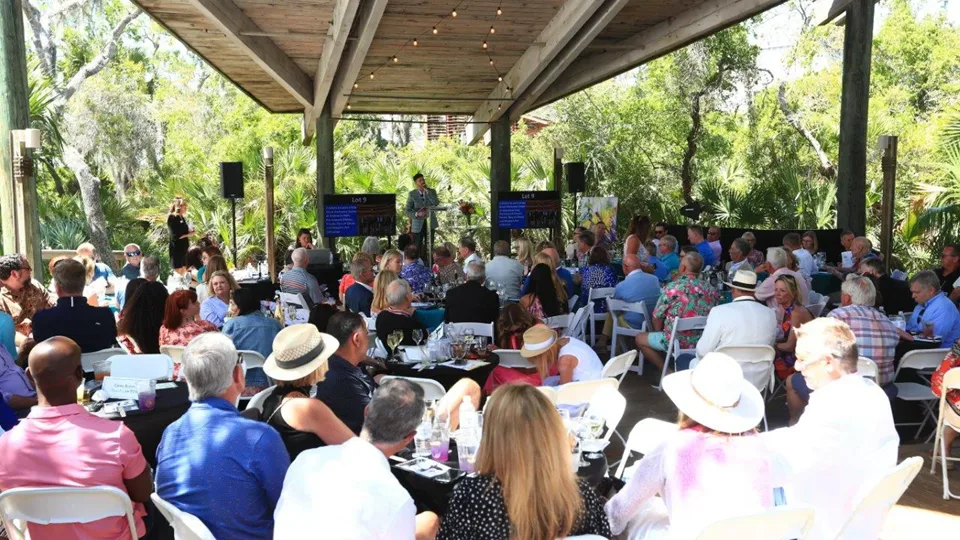
A charity event can offer several ways to support the same mission. Some guests want a special experience. Others would rather give directly. Sponsors may support the event before doors open. A clear plan lets these choices work together without confusing purchases, gifts, and commitments.
The most useful result is the money collected and available for the cause after event costs. An exciting stage total is a moment in the process; accurate records, payment, and follow-through complete it.
- Auction
- Bidders compete for an item or experience
- Giving appeal
- Supporters make direct contributions
- Measure
- Collected revenue less event costs
Understand the different ways guests participate
In a live auction, the auctioneer explains a lot and invites bids. The winning bidder purchases that item or experience under the stated terms. Silent and online auctions let people bid over a longer period, with a defined closing procedure.
A giving appeal, sometimes called a paddle raise or fund-a-need, invites direct contributions. Guests are supporting the stated purpose without competing for a lot. Multiple people can give at the same amount. Explain this transition clearly so nobody mistakes a contribution for another auction bid.
| Stream | What to explain and record |
|---|---|
| Live, silent, or online auction | The lot, terms, winning bidder, sale amount, and payment. |
| Direct giving appeal | The purpose, donor’s chosen contribution, and collection status. |
| Sponsorship and tickets | The package or admission purchased, benefits, and amount received. |
| Other donations | The donor’s instructions and whether the contribution has been collected. |
Make the opportunity easy to understand
Choose auction lots for the people you expect to attend. Review previous interest and purchases, ask your committee what supporters enjoy, and verify what donors can actually provide. AFP’s auction-item guidance recommends considering audience fit and variety. Use that judgment instead of assuming more items always produce a better event.
A complete description gives people confidence: what is included, how many guests can participate, when it can be used, and what restrictions apply. Clear photos and readable screens help the room follow along. The auctioneer can then describe the experience, establish an opening, recognize bids, and close the lot accurately.
Connect the appeal to a truthful, specific purpose
Prepare the giving appeal with the organization’s leadership. Explain the need and how contributions will be used in language the audience can understand. Use approved stories and images. If a matching gift is involved, confirm the donor’s authorization, limit, timing, and conditions before describing it publicly.
Offer giving levels that fit your event, while allowing other amounts and private participation. Guests should understand how to give and feel free to decline. AFP’s Donor Bill of Rights emphasizes informed giving and respect for donor intent; those principles belong in the onstage invitation and the follow-up.
A professional can help prepare and deliver that invitation. The organization remains the source of truth about its mission, commitments, and use of funds.
Measure collected revenue and the full cost of the event
Keep unpaid pledges separate from money received. Track auction payments, appeal contributions, sponsorships, and ticket sales in their proper categories. Count each payment once: a sponsorship package that includes tickets should not become both full sponsorship revenue and additional ticket revenue for those same seats.
For a practical planning view, subtract the event’s paid and still-owed costs from collected event revenue. Include venue and catering, production, professional services, payment and platform fees, materials, and any purchased or consignment package costs. A donated lot can still involve event overhead. Keep any restricted contributions assigned to their agreed purpose.
| Example line | Amount |
|---|---|
| Auction payments collected | $18,000 |
| Appeal contributions collected | $12,000 |
| Sponsorships and tickets collected, with no overlap | $10,000 |
| Total collected event revenue | $40,000 |
| Total event costs, including unpaid amounts owed | $14,000 |
| Collected revenue after those event costs | $26,000 |
| Additional unpaid pledges, tracked separately | $2,000 |
In this illustration, the $2,000 of unpaid pledges is not included in the $26,000. Confirm the final accounting and any restrictions with the organization’s finance team.
Build the payment and thank-you process before the event
Assign someone to record bidder or donor identifiers, amounts, and any corrections. Decide how guests will pay, where they can ask questions, and how purchases will be fulfilled. Reconcile the auctioneer’s records with the payment system before treating a sale or pledge as collected.
Afterward, follow up respectfully on outstanding commitments, resolve errors and refunds, and send the organization’s acknowledgments. Review participation, collected funds, costs, and fulfillment together. These records make the next event easier to plan and give your team a sounder measure than the evening’s largest bid.
Put it into practice
Prepare the fundraising from invitation to collection
Keep the donor experience and the recordkeeping connected.
- Confirm the purpose and approved language for each giving opportunity.
- Verify lot inclusions, restrictions, photographs, and fulfillment contacts.
- Set a realistic event budget and track costs alongside revenue.
- Assign bid recording, payment assistance, and reconciliation roles.
- Provide clear options for giving, payment, questions, and acknowledgments.
Plan a complete fundraising cycle
Each stage should have an owner on your team.
Define the purpose
Agree on what the event supports and which revenue streams suit your audience.
Prepare the invitation
Verify lots, mission messages, giving options, and the program handoffs.
Lead and record participation
Make bidding and giving clear while capturing accurate commitments.
Collect and reconcile
Resolve payments and expenses, thank supporters, and review the actual funds raised.
Questions to resolve before event day
- How will unpaid commitments, refunds, and package costs appear in the final report?
- Who will answer questions and arrange delivery of each purchased experience?
Common questions
Is a paddle raise the same as a live auction?
No. A live auction sells lots to winning bidders. A paddle raise invites direct gifts for a stated purpose, and many guests can contribute at the same level.
Do we need both an auction and a giving appeal?
No. Choose the format around your supporters, mission, available lots, and program. Discuss whether both add value to your particular event.
Does hiring a professional guarantee more money?
No. A professional provides agreed preparation and event delivery. Results also depend on attendance, donor choices, items, costs, and payment collection.
Further reading
These professional resources provide context for the planning recommendations above.
- National Auction Association: Why Hire an Auction Professional?
The benefit auction professional’s role in preparation, audience engagement, and fundraising delivery.
- Association of Fundraising Professionals: Choosing fundraiser auction items
Practical considerations for item selection, audience fit, variety, and previous event results.
- Association of Fundraising Professionals: Donor Bill of Rights
Principles of informed giving, donor intent, privacy, and professional relationships.